A healthy toddler in Washington state fell ill abruptly. It began with vomiting, lethargy, and weakness on his right side. Then it progressed to a headache, fever, and trouble swallowing. At one point, he briefly became unresponsive, and he had episodes where he stopped breathing. Doctors admitted him to the hospital, but his condition only deteriorated.
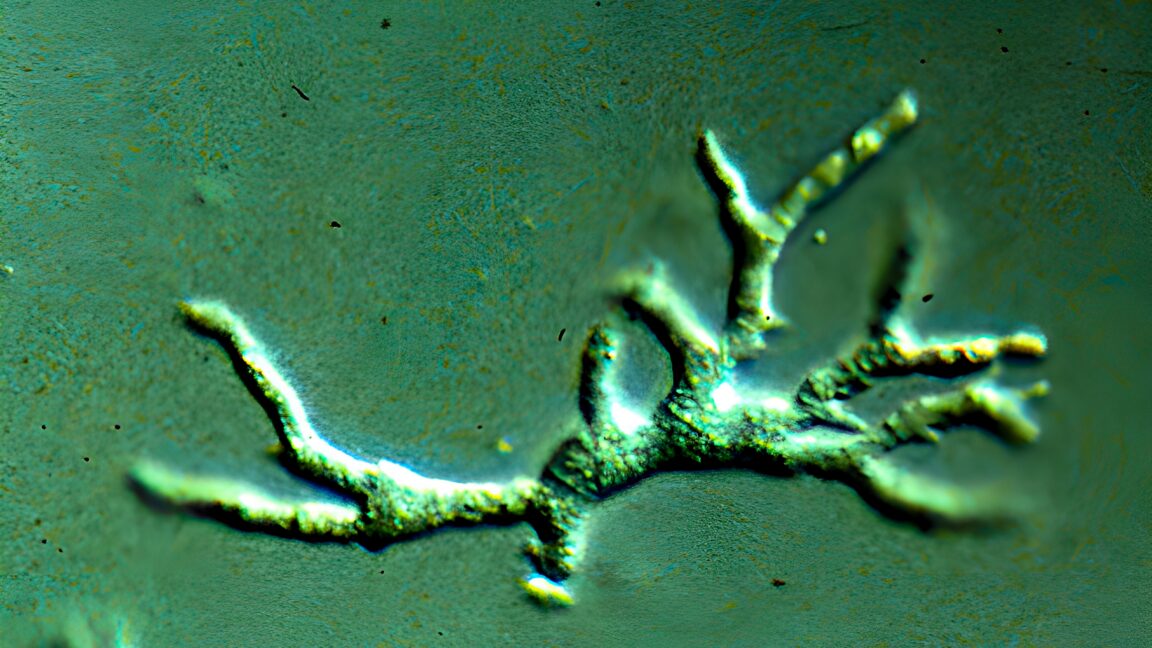
The boy was infected with an ultra-rare amoeba known for ravaging the brain. The opportunistic pathogen was first identified in 1986 from the brain of a San Diego Zoo monkey, which died from the infection. Since then, only about 200 human cases have been recorded worldwide. About 90 percent of them have been fatal.
The initial symptoms can be vague and, given its rarity, the infection is notorious for being undiagnosed or misdiagnosed. Still, the scant medical literature does provide some telltale signs, clues of what it can look like on tests and scans. But for the toddler, the infection looked different, sending doctors down the wrong path.
Read full article
Comments